ViralOps Studio for Documentary
Turn your research into a narrated documentary
For the day the story moves on. Give Studio your notes, sources or outline. It writes a documentary or essay script with a cold open, acts and a close, narrates it and delivers an animated film in landscape and portrait, with a title, description, chapters and thumbnails ready to post.
For writers, educators, channel creators and researchers who want to explore a subject in depth.
What you can make
Explainer documentary
Explore how or why something came to be, in acts that each end on a turn.
About 4 minutes
Example brief: Make a documentary about the Alder Canal in Westmere, a made-up town. Supply what you know: why the canal was dug, how the main streets were laid along its banks, what happened when it fell out of use and how a volunteer group later refilled part of it. Open on the canal today, and state the central question: how much of the town is still shaped like a canal.
Start an explainer documentary in StudioVideo essay
Argue a thesis with evidence and the best counter-argument.
About 4 minutes
Example brief: Write a video essay arguing that a made-up city's plan for a pedestrian-only high street would help its small shops. Supply the thesis in one sentence, the three pieces of evidence you want used with their sources, and the strongest objection from shop owners. Answer the objection fairly, and close by returning to the opening image of an empty street at dusk.
Start a video essay in StudioHistory or timeline
Walk through events in order, with the turning points called out.
About 5 minutes
Example brief: Tell the history of the Brindle Mill, a made-up textile mill, in time order. Supply the dates you can source: its founding, its expansion, the strike, the fire and the conversion into flats. Mark which events were turning points and why. Say plainly where records are missing rather than guessing, and end on what stands on the site now.
Start a history or timeline in StudioScience or how-it-works deep dive
Take one mechanism apart in stages, with a recap after each.
About 4 minutes
Example brief: Explain how a heat pump moves heat from cold outside air into a warm house, for curious adults. Go in stages: the refrigerant loop, the compressor, the two coils and the reversing valve, using one everyday picture for each. Open with the puzzle of how something cold can heat a room, and end with a recap and one question for viewers to answer.
Start a science or how-it-works deep dive in StudioProfile of a place, company or idea
Show what a subject is, where it came from and why it matters now.
About 4 minutes
Example brief: Make a profile of the Larkfield Seed Library, a made-up community project. Supply how it began, how members borrow and return seeds, who runs it, and what has changed in the last few years. Open on one striking scene from the library, state what makes it unusual, and close on the question of what it could look like in future.
Start a profile of a place, company or idea in StudioNews backgrounder
Give the background to a story: what happened, what led to it and what is known.
About 3 minutes
Example brief: Explain the background to a made-up council decision to close the Eastgate swimming pool. Supply the decision and its date first, then what led to it: usage figures, repair costs and the alternatives considered, each with its source. Say what is not yet known, stay neutral, and finish with the next date in the process.
Start a news backgrounder in Studio
The example briefs are for made-up businesses, lessons and subjects. Lengths are typical, and you choose your own.
How it works
Step 1
Write a brief
Describe what you want, or paste your notes. Pick a video type and a length, or let Studio decide.
Step 2
Get a narrated film in two formats
Studio writes the script, narrates it and animates it, in landscape and portrait from one edit. The two layouts are re-laid out rather than cropped, with drawings timed to the narration.
Step 3
Post it with the kit
Each film comes with a title, description, chapters and thumbnails, ready to copy.
What Studio does today, and what it does not
What it does
- Narrated animated films from a brief or your own material
- Landscape and portrait from one edit, re-laid out rather than cropped
- Captions burned into the picture
- An original score
- A title, description, chapters and thumbnail options for posting
What it does not do
- No live-action footage
- No on-camera presenters
- No screen recording
- Films are up to 5 minutes today
Plans
Every pack runs on the same Studio plans. The one-day trial costs US$5 and includes one 10-second film. The US$5 is credited to your first month if you continue.
Creator
US$79 / month
Pro
US$199 / month
Business
US$499 / month
Animation styles
2 animation styles and paper films, with more styles being added.
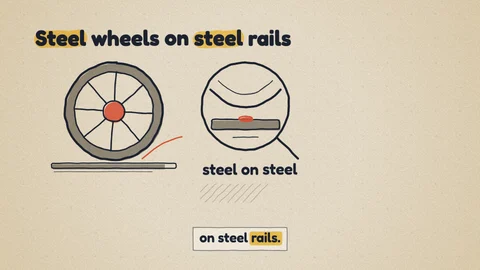
Hand-drawn
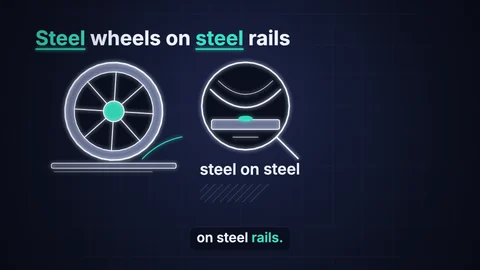
Dark keynote
Paper film
A 15-second vertical clip of a handmade paper scene that builds itself, with sound. The scene and the clip are generated with AI. Included each month: 1 on Creator, 2 on Pro, 5 on Business. Not part of the trial. A paper film is not a narrated film, and it is not a style you can choose for narrated films.
Frequently asked questions
- What kinds of documentary can I make?
- Explainer documentaries, video essays, history and timeline films, science and how-it-works deep dives, profiles of a place, company or idea, and news backgrounders. Each is a narrated animated film.
- How long can a documentary be?
- A film can be up to 5 minutes today. Each film type suggests a typical length, and you choose your own. A subject that needs more time works best as a series of parts, one film for each.
- Where do the facts come from?
- From the notes, sources or outline you give it. Studio is told to use only the facts in your material and not to invent quotes, dates, figures or witnesses, so a thin brief gives a thinner film. It does not do the research for you. Check every fact before you publish.
- Does it use archive footage, photographs or interviews?
- No. Studio makes narrated animated films. It does not use live-action footage, archive material, photographs or interviews, and it does not stage invented interviews.
- How is a documentary shaped?
- It opens on a striking moment, states the central question or thesis, builds in acts that each end on a turn, gives the best counter-view fairly, and closes by returning to the opening. You can choose the Documentary or essay video type, or let Studio decide.
- What do I get at the end?
- The film in landscape and portrait from one edit, with captions and an original score, plus a title, description, chapters and thumbnails for posting.
- Is the narration a real person?
- No. Narration is AI-generated, and the posting copy says so. Check every fact, name and claim in a film before you publish it.
- Can I try it before I subscribe?
- Yes. The one-day trial costs US$5 and includes one 10-second film. The US$5 is credited to your first month if you continue. A card is required.